
Relationships

Historia e Punch-it i vërtetoi botës eksperimentin e famshmëm të viteve '50

Historia e Punch-it i vërtetoi botës eksperimentin e famshmëm

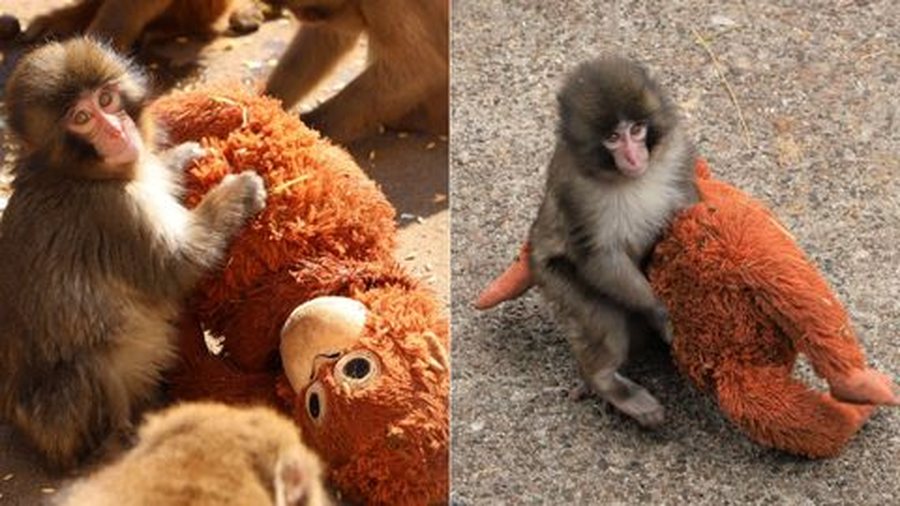
Historia e një makaku të vogël në Japoni ka prekur zemrat e shumë njerëzve dhe ka rikthyer në vëmendje një nga eksperimentet më të diskutueshme në historinë e psikologjisë. Makaku, i quajtur Punch the macaque, u bë i njohur pasi kujdestarët në një kopsht zoologjik zbuluan mënyrën e pazakontë me të cilën ai kërkonte ngushëllim.

Sipas stafit të kopshtit zoologjik, makaku i vogël u braktis nga nëna menjëherë pas lindjes. Për ta ndihmuar të qetësohej, kujdestarët i dhanë një arush pelushi. Çuditërisht, Punch filloi ta mbante gjithmonë pranë: flinte me të, e përqafonte dhe dukej se gjente ngushëllim tek lodra, veçanërisht në momentet kur makakët e tjerë nuk e pranonin.

Historia e tij rikujton një nga studimet më të famshme të psikologjisë së shekullit XX, të kryera nga psikologu amerikan Harry F. Harlow në University of Wisconsin gjatë viteve 1950 dhe 1960. Harlow u përpoq të kuptonte se si krijohet lidhja mes një foshnjeje dhe nënës së saj.

Në eksperimentet e tij, majmunët rezus të porsalindur u ndanë nga nënat dhe u vendosën në kafaze me dy “nëna” artificiale. Njëra ishte bërë prej teli dhe kishte një shishe qumështi, ndërsa tjetra ishte një strukturë druri e mbuluar me pëlhurë të butë.

Rezultatet ishin befasuese. Edhe pse ushqimi gjendej tek struktura prej teli, majmunët e vegjël kalonin pjesën më të madhe të kohës të përqafuar me “nënën” prej pëlhure. Ata i afroheshin strukturës prej teli vetëm për t’u ushqyer dhe më pas ktheheshin menjëherë te sipërfaqja e butë.

Kur në kafaz vendosej një objekt i panjohur ose frikësues, majmunët vraponin drejt strukturës së butë për t’u ndier të sigurt dhe vetëm pasi qetësoheshin guxonin të eksploronin mjedisin përreth.


View this post on Instagram


A post shared by Animal Save Movement | Animal Rights & Vigils (@thesavemovement)

Në të kundërt, majmunët që kishin vetëm “nënën” prej teli nuk arrinin të krijonin të njëjtën ndjenjë sigurie emocionale. Edhe pse ushqeheshin normalisht dhe zhvilloheshin fizikisht, ata shfaqnin sjellje ankthi, duke u mbledhur në vetvete ose duke qëndruar të palëvizshëm në situata stresuese.

Nga këto eksperimente, Harlow arriti në përfundimin se kontakti fizik, ngrohtësia dhe ndjenja e sigurisë janë po aq, në mos më të rëndësishme se ushqimi për zhvillimin psikologjik. Me fjalë të tjera, lidhja mes nënës dhe foshnjës nuk krijohet vetëm sepse nëna siguron ushqim, por sepse ajo ofron mbrojtje, prekje dhe rehati emocionale.

Eksperimentet e mëvonshme shkuan edhe më tej, duke rritur disa majmunë në izolim të plotë. Shumë prej tyre zhvilluan probleme serioze të sjelljes, si frikë nga majmunët e tjerë, agresivitet dhe vështirësi për të krijuar marrëdhënie shoqërore.


View this post on Instagram


A post shared by ΔΙ.ΚΕ.Ψ.Υ. (@dikepsy)

Megjithëse studimet e Harlow u kritikuan për aspektet etike, ato ndikuan thellësisht në mënyrën se si psikologët dhe punonjësit socialë kuptojnë rëndësinë e lidhjes emocionale në zhvillimin e fëmijëve.

Në këtë kontekst, imazhi i makakut të vogël Punch që përqafon arushin e tij prej pelushi duket se pasqyron pikërisht këtë nevojë të thellë për siguri dhe afërsi.

Sot, sipas kujdestarëve të kopshtit zoologjik, Punch është rritur dhe duket se është bërë më i pavarur. Në videot e publikuara së fundmi ai shihet duke luajtur dhe duke u shoqëruar me makakë të tjerë, duke lënë gradualisht pas lodrën që dikur ishte zëvendësimi i vetëm i dashurisë dhe kujdesit që i mungonte.

REELS

Dakord?

😑

🤓🤓🤓

Si ju duken?

💃

🤣🤣🤣🤣🤣

E kam një ide…

🤓 💅

😍😍😍

Uou!

The story of Punch proved to the world the famous experiment of the 1950s

Historia e Punch-it i vërtetoi botës eksperimentin e famshmëm

The story of a small macaque in Japan has touched the hearts of many people and brought back to light one of the most controversial experiments in the history of psychology. The macaque, named Punch the macaque, became famous after zookeepers discovered the unusual way in which he sought comfort.

According to zoo staff, the little macaque was abandoned by his mother shortly after birth. To help him calm down, the keepers gave him a teddy bear. Surprisingly, Punch began to keep it close at all times: he would sleep with it, cuddle it and seem to find comfort in the toy, especially at times when the other macaques would not accept him.

His story recalls one of the most famous psychology studies of the 20th century, conducted by American psychologist Harry F. Harlow at the University of Wisconsin during the 1950s and 1960s. Harlow sought to understand how the bond between an infant and its mother is formed.

In his experiments, newborn rhesus monkeys were separated from their mothers and placed in cages with two artificial “mothers.” One was made of wire and had a milk bottle, while the other was a wooden structure covered in soft fabric.

The results were surprising. Even though the food was on the wire structure, the baby monkeys spent most of their time cuddled up to their fabric “mother.” They would approach the wire structure only to feed, and then immediately return to the soft surface.

When an unfamiliar or frightening object was placed in the cage, the monkeys ran towards the soft structure to feel safe and only after they calmed down did they dare to explore the surrounding environment.


View this post on Instagram


A post shared by Animal Save Movement | Animal Rights & Vigils (@thesavemovement)

In contrast, monkeys that had only a wire “mother” failed to develop the same sense of emotional security. Although they ate normally and developed physically, they displayed anxious behavior, withdrawing into themselves or remaining motionless in stressful situations.

From these experiments, Harlow concluded that physical contact, warmth, and a sense of security are as, if not more, important than food for psychological development. In other words, the bond between mother and infant is not created simply because the mother provides food, but because she offers protection, touch, and emotional comfort.

Later experiments went even further, raising some monkeys in complete isolation. Many of them developed serious behavioral problems, such as fear of other monkeys, aggression, and difficulty forming social relationships.


View this post on Instagram


A post shared by ΔΙ.ΚΕ.Ψ.Υ. (@dikepsy)

Although Harlow's studies were criticized for ethical aspects, they profoundly influenced the way psychologists and social workers understand the importance of emotional attachment in child development.

In this context, the image of the little macaque Punch hugging his teddy bear seems to reflect precisely this deep need for security and closeness.

Today, according to zookeepers, Punch has grown up and appears to have become more independent. In recently released videos, he is seen playing and socializing with other macaques, gradually leaving behind the toy that was once the only substitute for the love and care he lacked.