Lifestyle

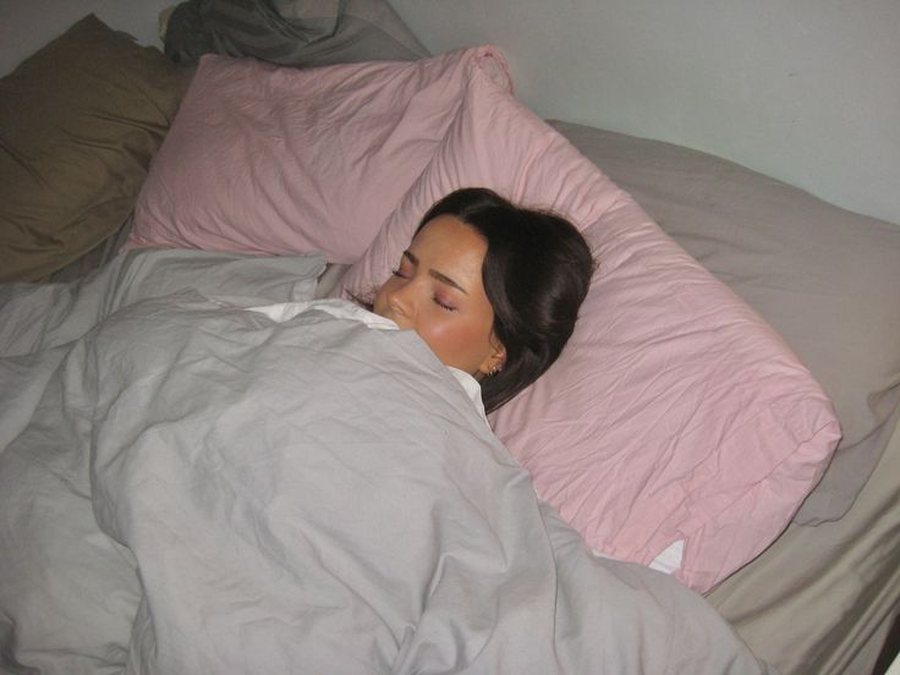
Pozicioni specifik në të cilin ke fjetur mbrëmë tregon me çfarë po përballesh aktualisht

Pozicioni specifik në të cilin ke fjetur mbrëmë tregon me
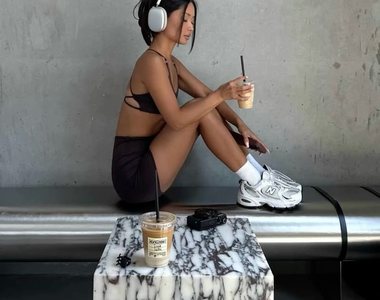
Foto: ayvascameraroll/ Pinterest

Edhe pse mënyra si fle ndonjëherë varet thjesht nga rehatia, ekspertë të gjumit si studiuesi Samuel Dunkell mendojnë se pozicionet e gjumit lidhen edhe me tipare të personalitetit dhe gjendjen emocionale të njeriut.

Më konkretisht, pozicioni në të cilin ke fjetur mbrëmë mund të japë një ide mbi atë që po të shqetëson në këtë moment, qoftë stres inë punë, presion emocional apo pasiguri në marrëdhënie. Prandaj, edhe pse mund të duket e parëndësishme të vëresh nëse fle i mbledhur anash apo shtrirë në shpinë, pozicioni në të cilin zgjohesh mund të tregojë gjendje emocionale që ende nuk i ke kuptuar plotësisht.

1. Pozicioni “fetal” (i mbledhur si foshnjë)

Pozicioni specifik në të cilin ke fjetur mbrëmë tregon me

Nëse një person fle i mbledhur fort, me gjymtyrët afër trupit, kjo shpesh lidhet me ndjeshmëri të lartë dhe emocionalitet. Edhe nëse gjatë ditës e kontrollon veten dhe i mban emocionet nën kontroll, natën nënvetëdija kërkon siguri dhe mbrojtje.

Nëse e gjen veten shpesh në këtë pozicion, mund të jetë shenjë që po mban stres ose emocione të forta që nuk i ke pranuar ende plotësisht.

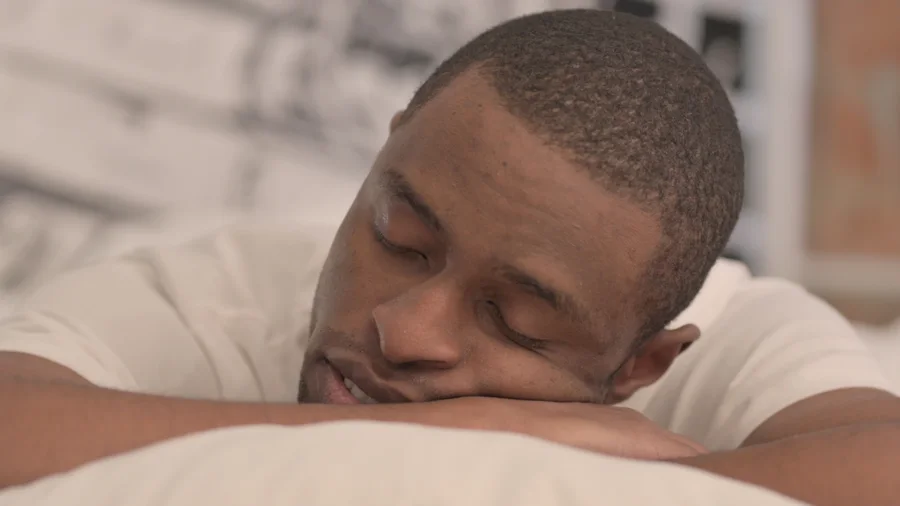
2. Fjetja përmbys (me bark)
Pozicioni specifik në të cilin ke fjetur mbrëmë tregon me

Ky pozicion shpesh lidhet me situata kur njeriu ndihet pa kontroll ose nën presion. Mund të shërbejë si një mënyrë e pavetëdijshme për t’u “mbrojtur” nga ndjenjat e vështira.

Edhe njerëzit që janë të shoqërueshëm dhe të hapur mund ta përdorin këtë pozicion kur përballen me kritikë ose shqetësim për mënyrën si i shohin të tjerët.

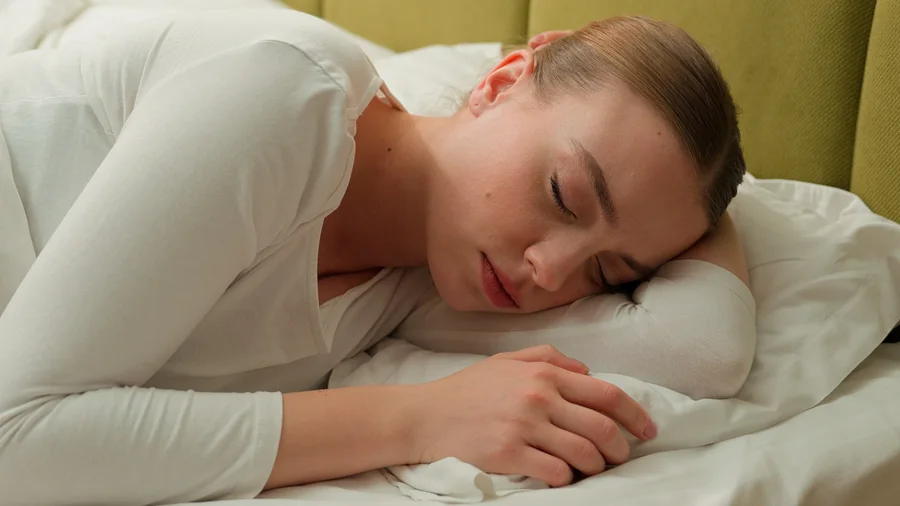
3. Me duart poshtë jastëkut
Pozicioni specifik në të cilin ke fjetur mbrëmë tregon me

Fjetja me duart nën jastëk mund të tregojë se personi po mban emocione ose ngarkesa që nuk i përkasin vetëm atij. Sipas disa studimeve mbi sjelljen, kjo mund të lidhet me “mbajtjen” e barrës emocionale të të tjerëve.

Ky pozicion shpesh shihet si shenjë që njeriu po përpiqet të përballojë ndjenja të brendshme, edhe nëse nuk i ka të qarta me fjalë.

4. Pozicioni “yll deti”

Pozicioni specifik në të cilin ke fjetur mbrëmë tregon me

Ky është kur personi shtrihet me krahë dhe këmbë të hapura në shtrat. Zakonisht lidhet me njerëz empatikë dhe të hapur, që ndihen rehat duke “zënë hapësirë” dhe duke qenë vetvetja.

Megjithatë, mund të tregojë edhe që personi nuk po kujdeset mjaftueshëm për nevojat e veta emocionale gjatë ditës.

5. Shtrirë në shpinë
Pozicioni specifik në të cilin ke fjetur mbrëmë tregon me

Fjetja në shpinë shpesh lidhet me vetëbesim dhe qetësi të brendshme. Krahët e hapur tregojnë relaksim dhe hapje ndaj botës, ndërsa krahët afër trupit mund të tregojnë një personalitet më të rezervuar.

Megjithatë, nëse gjatë ditës personi nuk ndihet i pranuar siç është, kjo mund të tregojë një kontrast mes asaj që ndjen dhe asaj që shfaq.

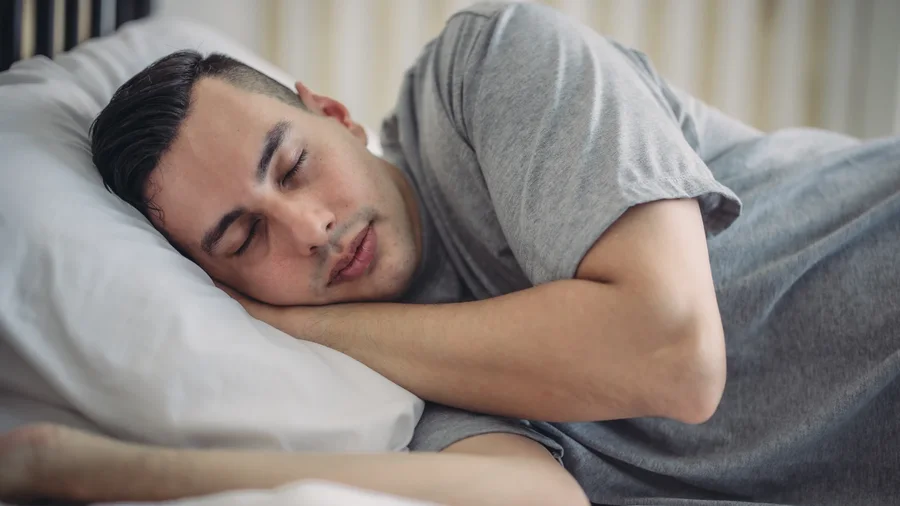
6. Në anë
Pozicioni specifik në të cilin ke fjetur mbrëmë tregon me

Fjetja në krah zakonisht lidhet me njerëz të qetë, fleksibël dhe të hapur ndaj kompromisit. Këta persona shpesh janë të balancuar dhe shfaqin qëndrueshmëri emocionale.

Megjithatë, mund të keqkuptohen si njerëz që mbyllen në vetvete për të përpunuar ndjenjat e tyre më thellë.

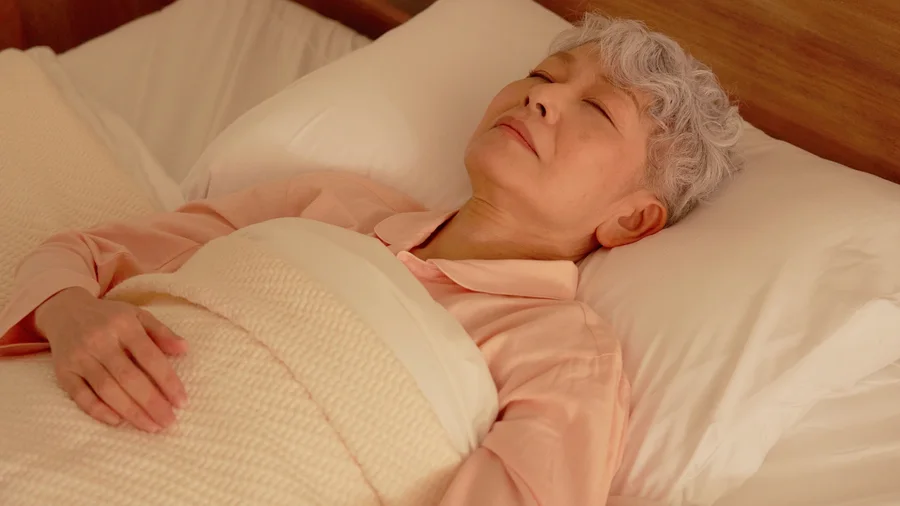
7. Pozicioni si trung druri
Pozicioni specifik në të cilin ke fjetur mbrëmë tregon me

Ky është kur personi fle drejt, me krahët dhe këmbët të shtrira drejt trupit. Zakonisht lidhet me njerëz të shoqërueshëm, të hapur dhe që krijojnë lehtë lidhje me të tjerët.

Megjithatë, ndonjëherë këta persona mund të kenë vështirësi në biseda më të thella emocionale ose në lidhje më intime.

REELS

🥺💞

Si do dalim këtë herë? #eurovision2026 @aliskallaci suksese 🥳

Nuk e lëshon për qamet 🤓

Artistja Elvana Gjata shenon nje tjeter sukses me koncertin e saj ne arenen me te madhe te mbyllur ne Itali per evente, Unipol ne Milano. Para nje salle te mbushur plot me rreth 16,000 vete, artistja riktheu show-n e saj Dekada, duke shtuar edhe kenge te vitit te fundit si “Sheqer” apo duetin “Moment” me Stanaj. E veshur nga Valdrin Sahiti, Gjata ndezi skenen me hitet e mbi 15-viteve karriere dhe gjate gjithe kohes u shoqerua nga publiku teper energjik i shqiptareve te ardhur jo vetem nga Italia, por edhe nga zona te tjera te Europes.

Burra, mblidhni mendjen 🤓

All rights reserved @fermavip.al @vizionplustv

Funksionon gjithmonë! 😎

😂😂😂

Give this man a beer 🍻 All rights reserved to: @rtvklan

💃

The specific position you slept in last night reveals what you're currently dealing with

Pozicioni specifik në të cilin ke fjetur mbrëmë tregon me
Photo: ayvascameraroll/ Pinterest

Although the way we sleep sometimes depends simply on comfort, sleep experts like researcher Samuel Dunkell believe that sleeping positions are also related to personality traits and a person's emotional state.

More specifically, the position you slept in last night can give you an idea of ​​what's bothering you at the moment, whether it's stress at work, emotional pressure, or insecurity in your relationship. So while it may seem trivial to notice whether you sleep curled up on your side or lying on your back, the position you wake up in can indicate emotional states that you haven't yet fully understood.

1. The “fetal” position (crouched down like a baby)

Pozicioni specifik në të cilin ke fjetur mbrëmë tregon me

If a person sleeps curled up, with their limbs close to their body, this is often associated with high sensitivity and emotionality. Even if they control themselves and keep their emotions under control during the day, at night their subconscious seeks security and protection.

If you often find yourself in this position, it may be a sign that you are holding onto stress or strong emotions that you have not yet fully accepted.

2. Sleeping on your stomach

Pozicioni specifik në të cilin ke fjetur mbrëmë tregon me

This position is often associated with situations where one feels out of control or under pressure. It can serve as an unconscious way to "protect" oneself from difficult feelings.

Even people who are outgoing and outgoing can use this position when faced with criticism or concern about how others see them.

3. With your hands under the pillow

Pozicioni specifik në të cilin ke fjetur mbrëmë tregon me

Sleeping with your hands under your pillow may indicate that the person is carrying emotions or burdens that don't belong to them alone. According to some behavioral studies, this may be related to "carrying" the emotional burdens of others.

This position is often seen as a sign that a person is trying to cope with inner feelings, even if they are not clear in words.

4. The “starfish” position

Pozicioni specifik në të cilin ke fjetur mbrëmë tregon me

This is when a person lies with their arms and legs spread out in bed. It is usually associated with empathetic and open people, who feel comfortable "taking up space" and being themselves.

However, it can also indicate that the person is not taking enough care of their emotional needs during the day.

5. Lying on your back

Pozicioni specifik në të cilin ke fjetur mbrëmë tregon me

Sleeping on your back is often associated with self-confidence and inner peace. Open arms indicate relaxation and openness to the world, while arms close to the body can indicate a more reserved personality.

However, if during the day the person does not feel accepted as they are, this may indicate a contrast between what they feel and what they show.

6. On the side

Pozicioni specifik në të cilin ke fjetur mbrëmë tregon me

Sleeping on your side is usually associated with people who are calm, flexible, and open to compromise. These people are often balanced and exhibit emotional stability.

However, they can be misunderstood as people who withdraw into themselves to process their feelings more deeply.

7. Position like a log

Pozicioni specifik në të cilin ke fjetur mbrëmë tregon me

This is when the person sleeps upright, with their arms and legs extended towards their body. It is usually associated with people who are sociable, open, and easily connect with others.

However, sometimes these people may have difficulty in deeper emotional conversations or more intimate relationships.