
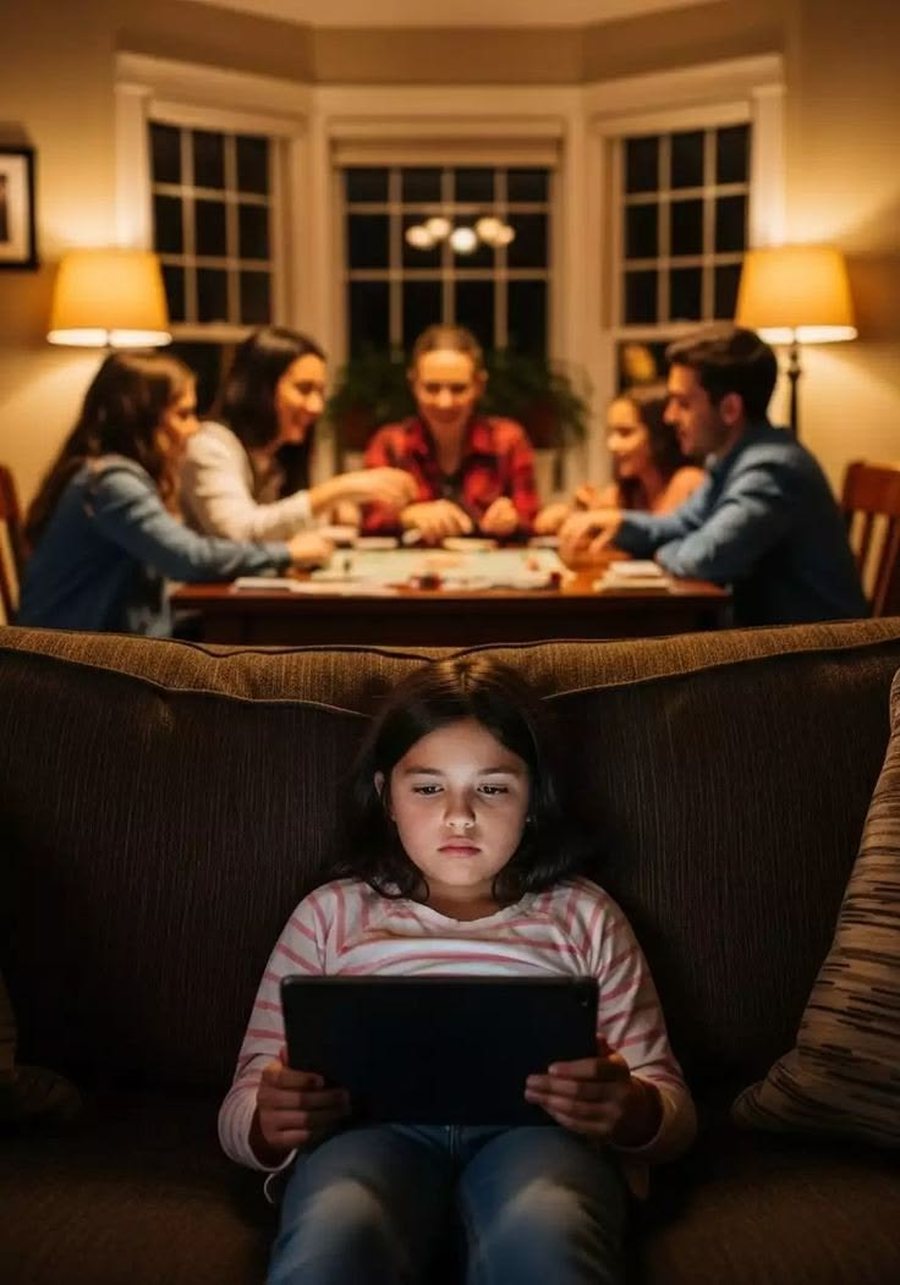
Fëmijët që kalojnë më shumë se tre orë në ditë në rrjete sociale kanë më shumë gjasa të përjetojnë ankth dhe depresion gjatë adoleshencës, sipas një studimi të ri.
Studimi i realizuar nga Imperial College London analizoi të dhënat e 2,350 nxënësve nga 31 shkolla në Londër. Fëmijët u vëzhguan në dy faza: fillimisht në moshën 11–12 vjeç dhe më pas në 13–15 vjeç. Ata plotësuan pyetësorë për zakonet digjitale, shëndetin mendor dhe stilin e jetesës, si dhe iu nënshtruan disa testeve.
Rezultatet treguan një realitet të qartë: ata që përdornin rrjetet sociale për më shumë se tre orë në ditë shfaqnin më shumë simptoma ankthi dhe depresioni krahasuar me ata që i përdornin rreth 30 minuta. Sipas studiuesve, kjo lidhet me faktin se këta fëmijë flenë më vonë dhe më pak, sidomos gjatë ditëve të shkollës.
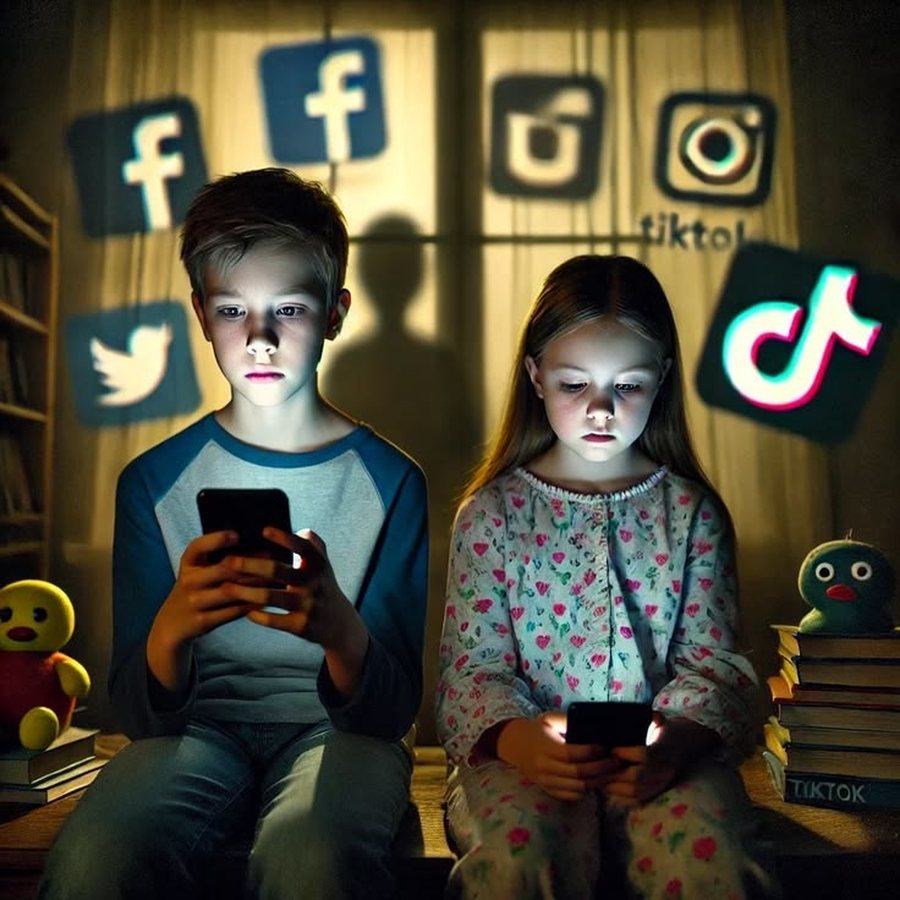
Profesoresha Mireille Toledano, e cila drejtoi kërkimin, theksoi se ekziston një trend i qartë mes kohës së kaluar online dhe shëndetit mendor. Sipas saj, përdorimi i rrjeteve sociale, veçanërisht gjatë natës, i privon fëmijët nga gjumi i nevojshëm për zhvillim dhe funksionim normal.
Në të njëjtën kohë, debati për mbrojtjen e të miturve në internet po intensifikohet globalisht. Australia është bërë vendi i parë që ka vendosur kufizime për përdorimin e rrjeteve sociale nga personat nën 16 vjeç, duke ndërmarrë masa të forta për mbrojtjen e tyre në hapësirën dixhitale.
Megjithatë, ekspertët paralajmërojnë se situata është komplekse dhe nuk ka ende prova të mjaftueshme që ndalimet e plota janë zgjidhja ideale. Në vend të kësaj, ata sugjerojnë më shumë edukim në shkolla për përdorimin e sigurt të teknologjisë dhe rëndësinë e gjumit.
Children who spend more than three hours per day on social media face a higher risk of depression and anxiety, according to new research ????
— Imperial College London (@imperialcollege) March 23, 2026
The research suggests the link could be explained by reduced sleep. https://t.co/IgpQgKOXJu
Gjetjet janë publikuar në BMC Medicine, ndërsa studiuesit theksojnë nevojën për kërkime të mëtejshme, duke qenë se rrjetet sociale po ndryshojnë me ritme të shpejta dhe ndikimi i tyre te fëmijët mbetet një çështje në zhvillim.
Megjithatë, trendi tregon dukshëm efeket e teknologjisë tek fëmijët, të cilat nuk janë momentale, por afatgjata, ndaj apeli mbetet i njëjti: Fëmijët duhet t'i mbajnë sa më larg ekranit të telefonit.