Anabelizim

Tre vende të vogla që nuk shitën shpirtin për turizëm. Dhe fituan dyfish

Tre vende të vogla që nuk shitën shpirtin për turizëm.
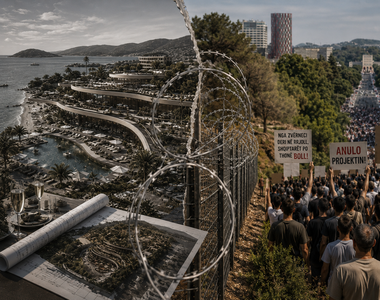
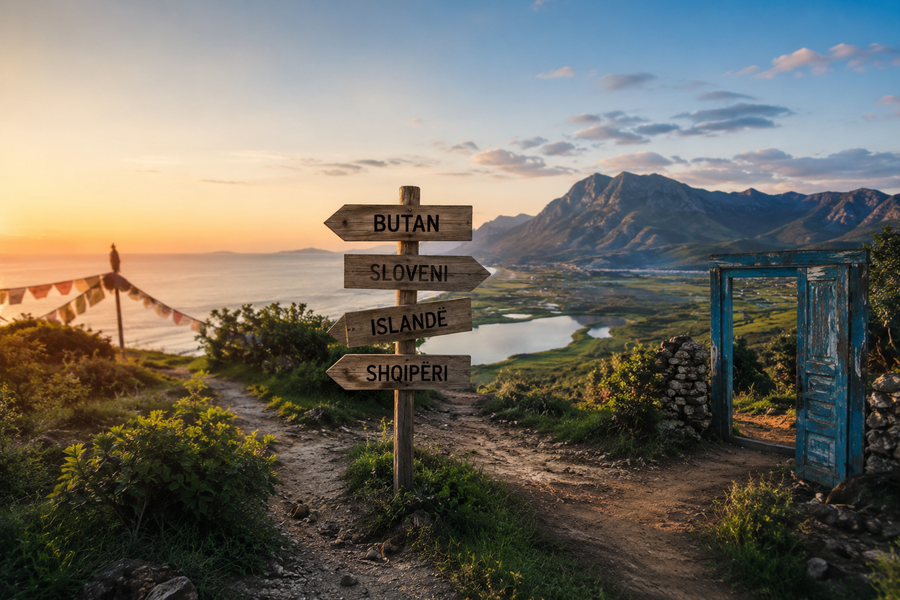
Foto e gjeneruar me AI

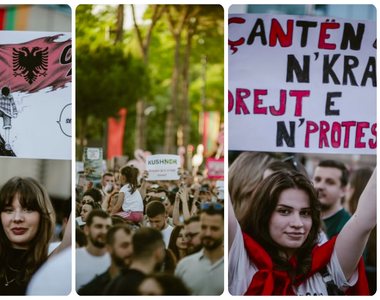
Kur Shqipëria miratoi ndryshimet në ligjin për zonat e mbrojtura, debati u zhvillua fillimisht ashtu si zhvillohet ngaherë: te kampet. Njëra anë tha “zhvillim ekonomik”, tjetra tha “shkatërrim mjedisor”. Pastaj erdhën projektet me radhë dhe investimet miliarda euro, dhe e njëjta fjali u përsërit në forma të ndryshme.

Duhet thënë se diskutimi nuk duhet të jetë nëse Shqipëria duhet të ketë hotele apo resorte mira. Sigurisht që duhet. Madje as nëse turizmi luksoz nuk është armik. Pyetja duhet të jetë e pandërlikuar: Kush vendos se çfarë bëhet me vendin tonë?

Detet Adriatik dhe Jon nuk janë vetëm asete tonat; malet nuk janë vetëm potencial; një ishull i pabanuar nuk është vetëm mundësi zhvillimi. Të gjithë këto pasuri që natyra na “i ka falur” janë një shtëpi e përbashkët. Por kur një vend që nuk di të vendosë rregulla për shtëpinë e vet, herët a vonë zgjohet si mysafir brenda saj.

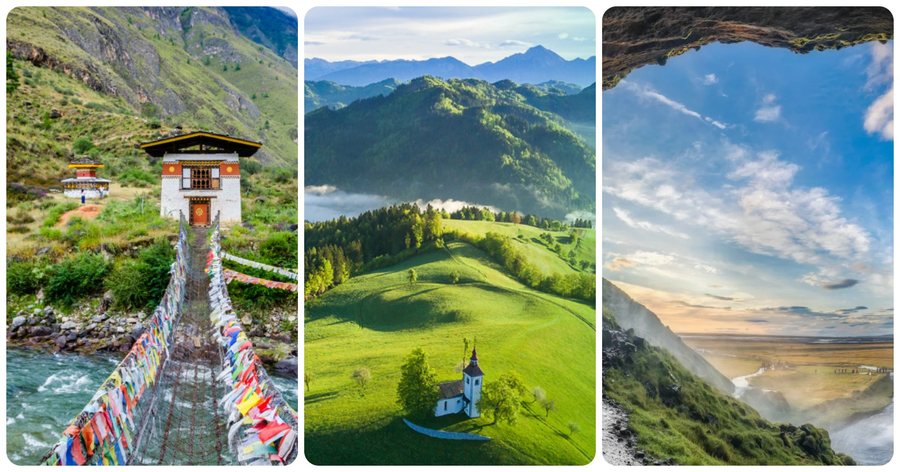
Në vijim kemi sjellë 3 shembuj të vendeve të vogla që zgjodhën identitetin mbi fitimin dhe fituan dyfish.

Butani: vendi që vendosi se nuk do të matej vetëm me para

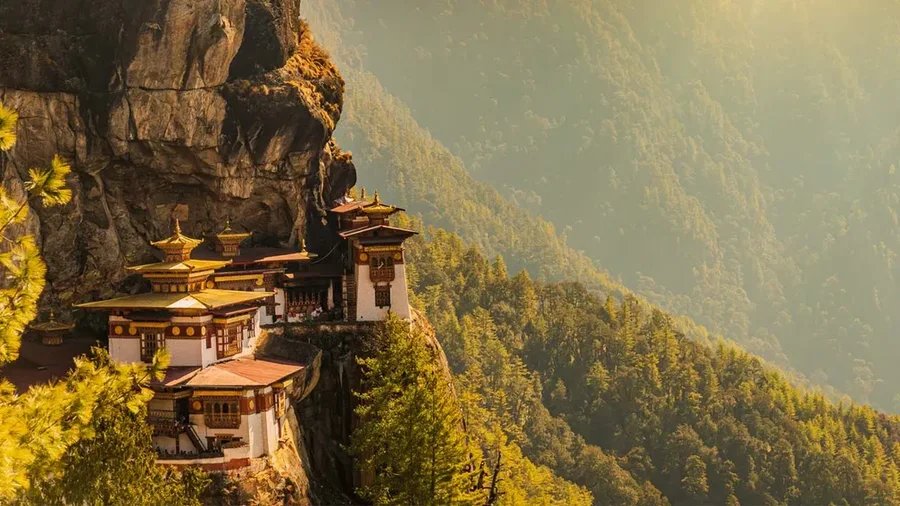
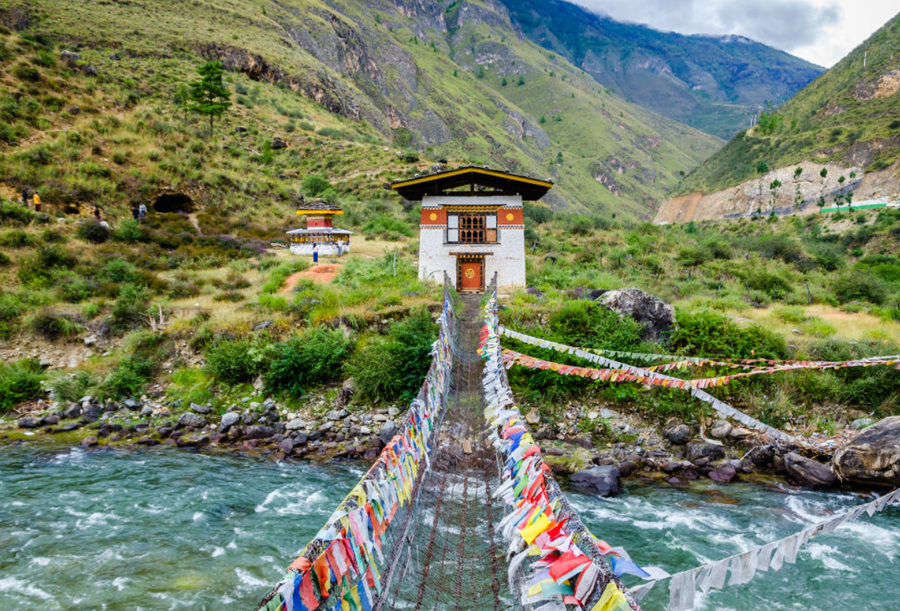
Butani është një vend i vogël malor në Himalaje, me më pak se një milion banorë. Ky vend nuk ka bregdetin përrallor mesdhetar, nuk ka riviera, nuk ka ishuj që i shiten imagjinatës së investitorëve të huaj strategjikë. Por ka diçka që shumë vende më të pasura nuk e kanë: një ide të qartë për veten.
Tre vende të vogla që nuk shitën shpirtin për turizëm.

Që prej viteve ‘70, Butani e ka ndërtuar filozofinë e tij shtetërore rreth konceptit të Gross National Happiness, ose Lumturisë Kombëtare Bruto. Me fjalë të tjera: suksesi i vendit nuk matet vetëm me sa rritet ekonomia, por edhe me atë që ndodh me kulturën, natyrën, mirëqenien dhe jetën e përditshme të njerëzve.
Tre vende të vogla që nuk shitën shpirtin për turizëm.

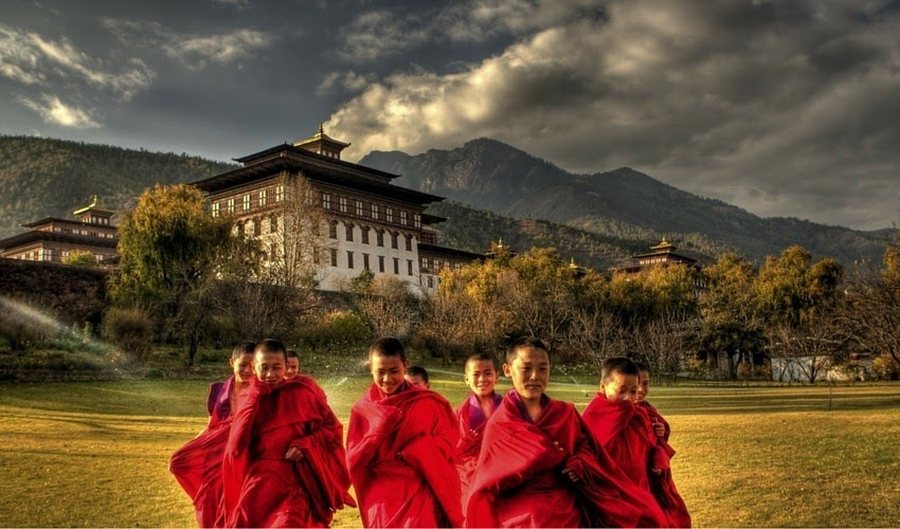
Edhe turizmi është ndërtuar mbi këtë logjikë. Butani prej vitesh promovon modelin High Value, Low Volume: më pak turistë, më shumë vlerë. Sot, shumica e vizitorëve ndërkombëtarë paguajnë një tarifë për zhvillimin e qëndrueshëm, 100 dollarë/për person, për natë. Sipas faqes zyrtare të turizmit të Butanit, këto fonde përdoren për zhvillim ekonomik, social, mjedisor dhe kulturor, përfshirë shëndetësinë dhe arsimin falas, ruajtjen e traditave dhe investimet.
Tre vende të vogla që nuk shitën shpirtin për turizëm.

Kjo nuk do të thotë që Butani është vendi më i lumtur në botë, sepse asnjë vend nuk është. Por ai ka bërë një zgjedhje që shumë shtete e shmangin: nuk e ka trajtuar turizmin si garë për numra, por si marrëdhënie mes vizitorit, vendit dhe banorit. Turisti mund të shkojë, por nuk e merr vendin me vete, nuk e ndryshon sipas shijes së tij, nuk bëhet masa me të cilën matet e ardhmja e vendasve.

Sllovenia: “green” nuk është fjalë marketingu, por strategji

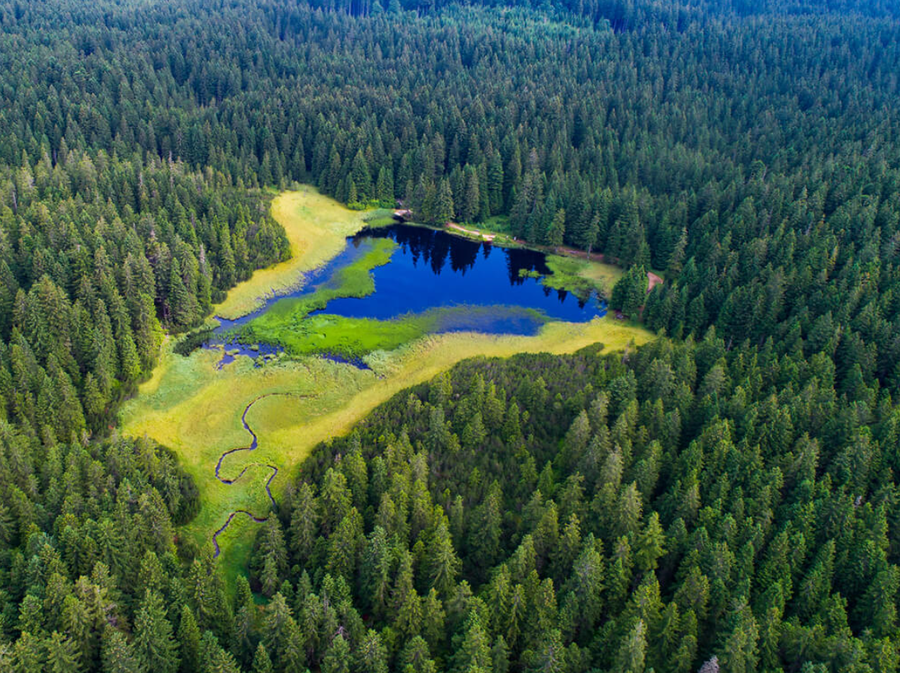
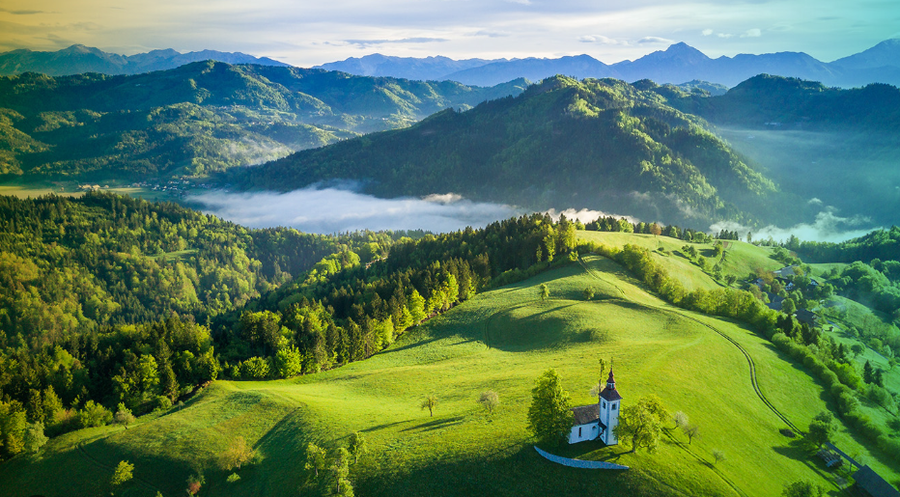
Sllovenia është një vend i vogël, me një vijë bregdetare shumë të shkurtër, rreth 47 kilometra, dhe me rreth 58% të territorit të mbuluar nga pyje. Pra, nëse do të kishte dashur të luante lojën klasike të turizmit ballkanik, mund të kishte thënë “kemi pak det, ta shfrytëzojmë sa të mundemi” ose "kemi shumë pyje, t’i shfrytëzojmë sa të mundemi”. Por bëri të kundërtën.
Tre vende të vogla që nuk shitën shpirtin për turizëm.

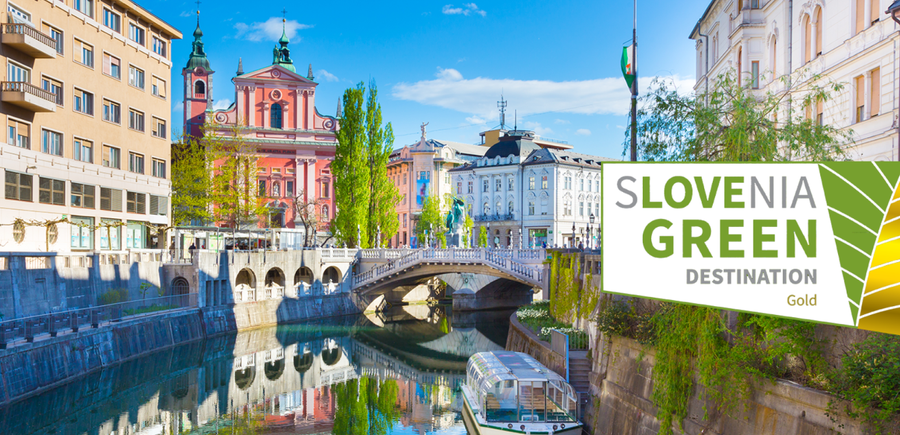
Në vitin 2016, Sllovenia u shpall “vendi i parë i gjelbër në botë” në kuadër të Global Green Destinations Day. Programi “Slovenia Green” certifikon destinacione dhe biznese turistike që provojnë se funksionojnë me standarde të matshme mjedisore, sociale dhe ekonomike: nga mbrojtja e natyrës dhe menaxhimi i mbetjeve, te përfshirja e komunitetit lokal, ruajtja e kulturës dhe ndikimi real në ekonominë vendase.
Tre vende të vogla që nuk shitën shpirtin për turizëm.

Pra, Sllovenia nuk e la “gjelbërimin” si fjalë marketingu, por e përdori si standard certifikimi, një mënyrë për të dalluar kush e përdor natyrën si dekor dhe kush e respekton si themel të produktit turistik.

Edhe Lubjana është pjesë e të njëjtës histori. Kryeqyteti slloven ka ndërmarrë prej vitesh masa për të kufizuar qarkullimin e makinave në qendër dhe për të nxitur ecjen, përdorimin e biçikletave dhe transportin publik. Turisti nuk ftohet aty sepse gjen më shumë beton, më shumë parkime, më shumë zhurmë. Ftohet sepse qyteti ka vendosur që cilësia e jetës është pjesë e atraksionit.
Tre vende të vogla që nuk shitën shpirtin për turizëm.

Pastaj është edhe gastronomia. “Slovenia Green Gourmet Route” lidh destinacione dhe biznese me certifikim të gjelbër, duke e kthyer udhëtimin në një rrjet përvojash lokale: restorante, prodhues, peizazh, biçikleta, ritëm më i ngadaltë. Ideja e tyre nuk është që turisti të shkojë, të konsumojë dhe të ikë, por që turizmi të ushqejë vendin, jo vetëm bilancin e hotelit. 

Islanda: natyra nuk është sfond për Instagram

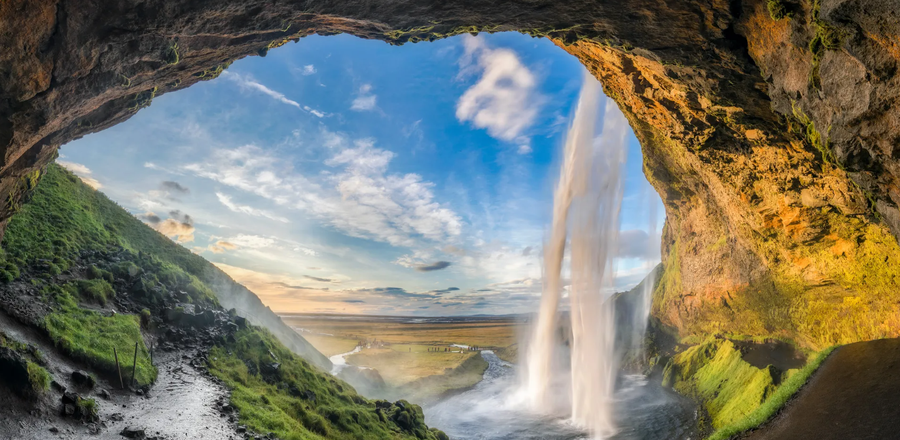
Islanda është një tjetër shembull interesant, sepse nuk nisi si modeli i përsosur. Pas krizës financiare të vitit 2008, turizmi u bë një nga motorët më të rëndësishëm të rimëkëmbjes ekonomike. Numrat u rritën, por bashkë me ta u rrit edhe presioni mbi natyrën: rrugët, peizazhet, vendet e brishta dhe komunitetet e vogla u dëmtuan.
Tre vende të vogla që nuk shitën shpirtin për turizëm.

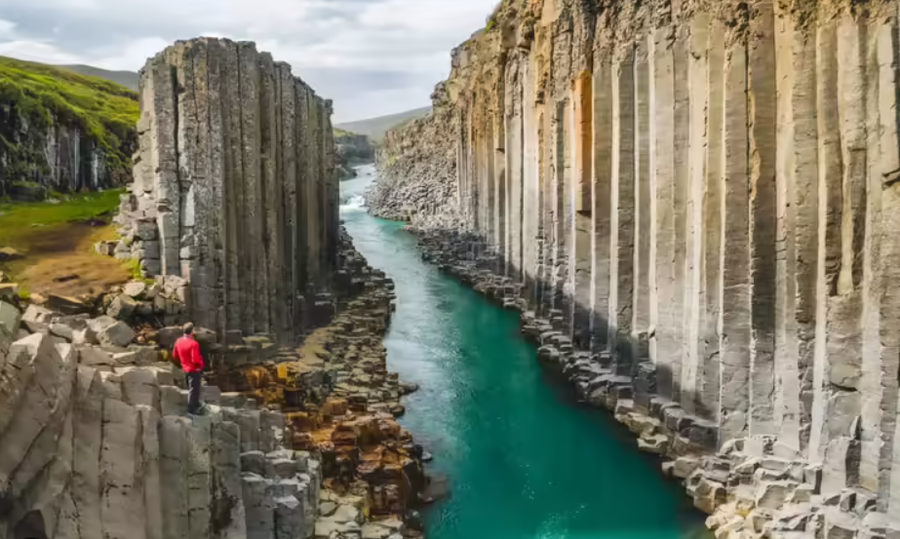
Islanda, ndryshe nga shumë vende që e kuptojnë vonë se turizmi masiv nuk është gjithmonë bekim, nisi të flasë hapur për kufijtë. Në vitin 2024, Islanda riktheu taksën turistike për hotelet dhe planifikoi ta zgjerojë edhe për pasagjerët e anijeve turistike, me synimin që të ardhurat të përdoren për mbrojtjen e natyrës dhe infrastrukturën.
Tre vende të vogla që nuk shitën shpirtin për turizëm.

Zyra Islandeze e Turizmit e përkufizon turizmin si shtyllë të rëndësishme të ekonomisë, por duke marrë parasysh “kapacitetin” e natyrës dhe të shoqërisë. Kjo është fjalia që bën diferencën.

Dhe tani, Shqipëria

Shqipëria ka gjithçka që sot kërkon turisti modern: det që ende nuk është kthyer plotësisht në dekor resortesh, male që ende ruajnë ashpërsinë e tyre, fshatra që ende janë autentikë, ushqim që nuk ka nevojë për shumë marketing, histori që nuk fillon me sezonin turistik dhe nuk mbaron në shtator.

Por Shqipëria ka edhe diçka tjetër: një uri të madhe për “zhvillim”, shpesh pa një diskutim serioz se çfarë zhvillimi duam.

Ligji nr. 21/2024 ndryshoi ligjin për zonat e mbrojtura, duke i hapur derën mundësisë për projekte infrastrukturore dhe turistike edhe brenda zonave të mbrojtura, përfshirë komplekse luksoze në zona që më parë kishin mbrojtje më të fortë.

Jo çdo investim i huaj është i keq dhe jo çdo hotel luksoz është kërcënim. Afërmendsh që Shqipëria nuk duhet të mbetet e varfër për të qenë “autentike”. Problemi është kur luksi bëhet strategji kombëtare përpara se vendi të ketë vendosur kufijtë e vet.

Sepse një resort luksoz, një resort çfarëdo diku gjetkë, një projekt i madh, mund të jenë pjesë e një vizioni, por nuk mund të jenë vetë vizioni. Kjo sepse nuk mund të jetë investitori ai që i jep kuptim vendit, nuk mund të jetë hoteli ai që vendos vlerën e ishullit, nuk mund të jetë turisti ai që përcakton se çfarë meriton të ruhet dhe çfarë meriton të ndërtohet.

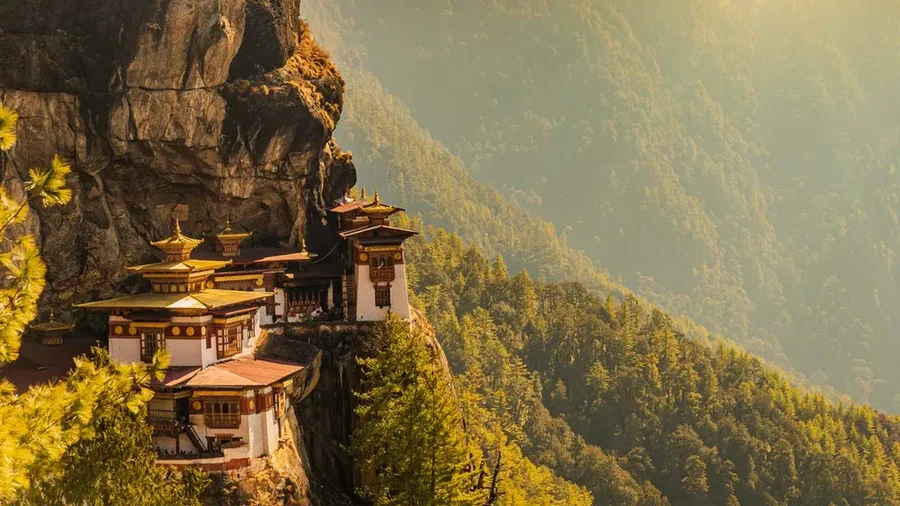
Butani vendosi që lumturia dhe kultura nuk janë luks. Sllovenia vendosi që gjelbërimi nuk është imazh, por politikë. Islanda vendosi që natyra ka kapacitet, pra ka edhe kufi. Këto tre shtete nuk janë vende “kundër luksit”. Butani ka Aman, Six Senses, COMO etj;
Tre vende të vogla që nuk shitën shpirtin për turizëm.
Amancora, Aman Resorts, Butan

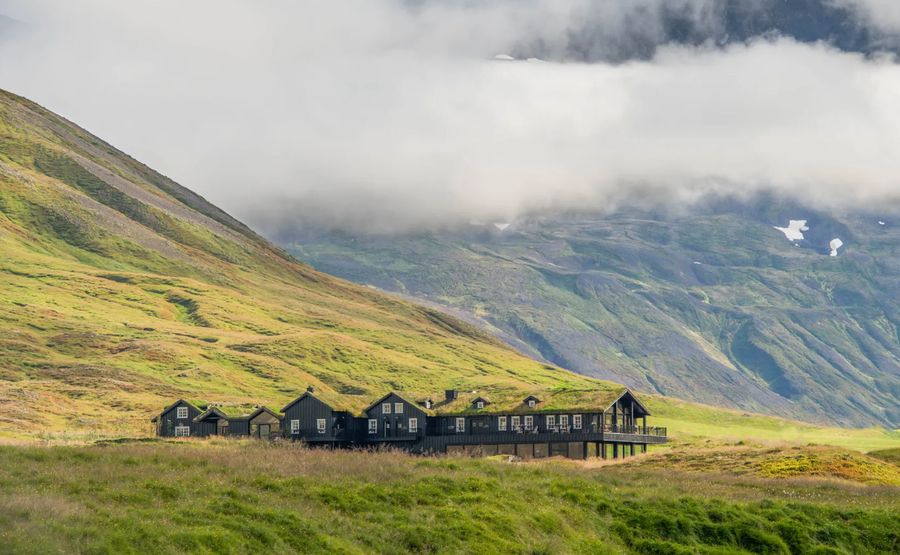
Islanda ka The Retreat at Blue Lagoon, Deplar Farm apo The Reykjavik EDITION;
Tre vende të vogla që nuk shitën shpirtin për turizëm.
Eleven Deplar Farm Hotel, Islandë

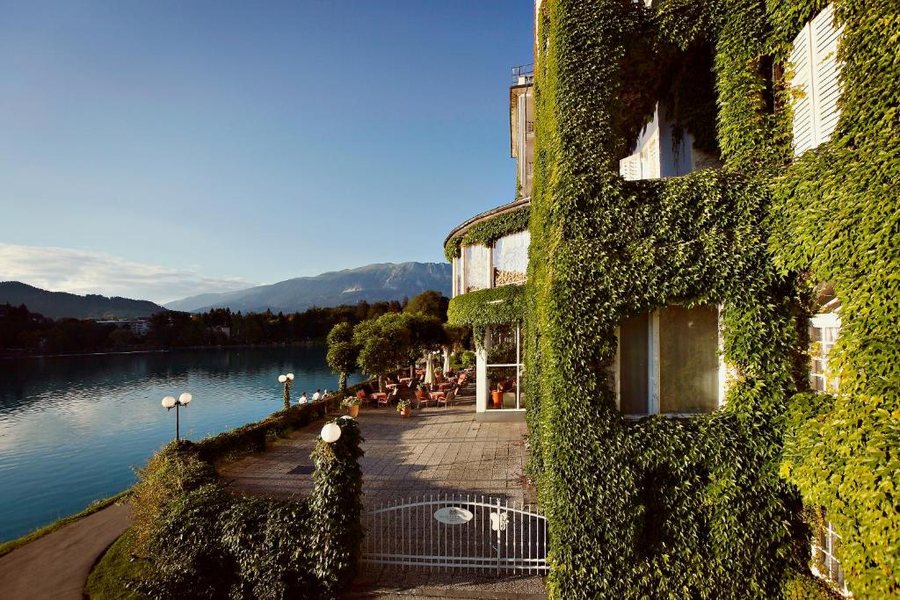
Sllovenia ka hotele historike e boutique me standarde të larta. Ndryshimi është tjetërkund: këto vende nuk e kanë lënë luksin të bëhet pronari i identitetit kombëtar. Luksi ekziston, por brenda kufijve, brenda idesë se natyra dhe identiteti nuk janë thjesht truall për t’u zhvilluar, por arsyeja pse turisti vjen aty në radhë të parë.
Tre vende të vogla që nuk shitën shpirtin për turizëm.
Grand Hotel Toplice, Slloveni

Shqipëria duhet të vendosë diçka po kaq të thjeshtë: a do të jetë një vend që e përdor bukurinë për të ndërtuar të ardhmen, apo një vend që e jep bukurinë si garanci për investimin e radhës?
Tre vende të vogla që nuk shitën shpirtin për turizëm.
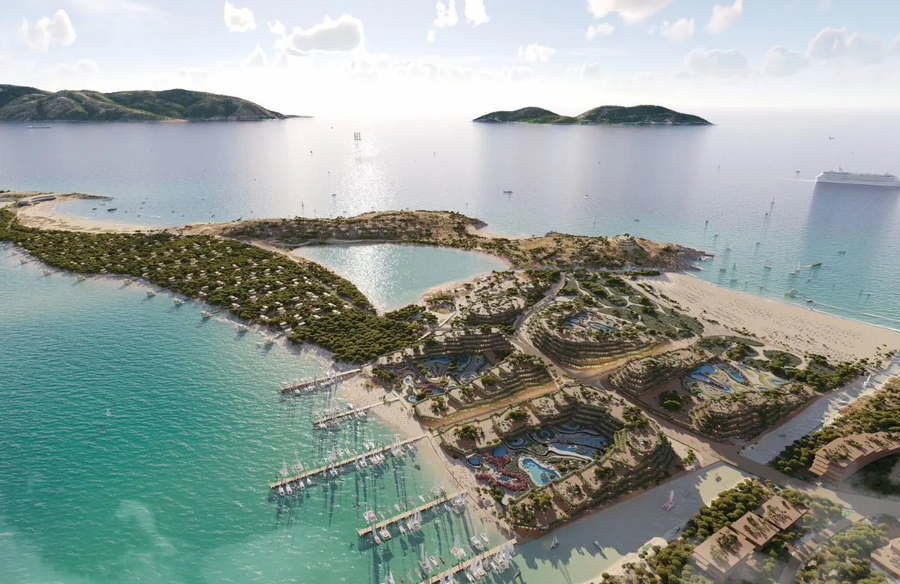
Projekti i Jared Kushner për lagunën e Nartës.

Ne nuk duhet të diskutojmë “Sa para sjell Sazani?”, “Sa para na sjell Zvërneci”, “Sa para do na sjellë ndonjë resort i ardhshëm nëpër male” etj. E thënë thjesht: “Pas 20 vitesh, a do të jetë ende Sazani, Zvërneci, Rrjolli etj., i Shqipërisë?”. Këtu nuk e kemi fjalën për letra e kufij zyrtarë, por për ndjesinë, për kujtesën, për të drejtën për të hyrë në këto vende. Për të drejtën për të mos u ndjerë vizitor në shtëpinë tënde.
REELS

🦩❤️

👏

Ylli Limani shkelqeu mbreme ne naten e pare te recitalit te tij ne Tirane. Kengetari qe theu rekordin per shitjen me te shpejte te biletave brenda 24 oreve, u shoqerua gjate gjjthe koncertit me nje kor prej 15 mije njerezish qe dinin permendesh cdo kenge te artistit hitmaker te momentit ne trevat shqjptare. Edhe pse per 2 ore me rradhe, publiku u perfshi teresisht ne koncert, ne fund, pas daljes se Ylli Limanit nga skena, ata nuk harruan qe ne kor, te kendonin refrenin e famshem te protestes “Rama jepe doreheqjen” me baze muzikore “Seven Nation Army” nga White Stripes, interpretuar nga instrumentistet ne skene.

Vera është këtu dhe produktet natyrale dhe vegane @fresh_line_albania janë shoqëruesi perfekt për ditët e plazhit. ☀️🌿🏖️

🦩 📸 @gersi__qose

😌😌😌

🇦🇱 🔥 📸 xhoiskuta

E dini vet kujt duhet t’i bëni tag 🤓

Three small countries that didn't sell their souls for tourism. And they won twice as much

Tre vende të vogla që nuk shitën shpirtin për turizëm.

When Albania passed changes to the law on protected areas, the debate initially took place as it always does: in the camps. One side said “economic development,” the other said “environmental destruction.” Then came the projects one after the other and the billions of euros in investments, and the same sentence was repeated in different forms.

It should be said that the discussion should not be whether Albania should have good hotels or resorts. Of course it should. Not even if luxury tourism is not the enemy. The question should be straightforward: Who decides what happens to our country?

The Adriatic and Ionian Seas are not only our assets; the mountains are not only potential; an uninhabited island is not only a development opportunity. All these assets that nature has “forgiven” to us are a common home. But when a country that does not know how to set rules for its own house, sooner or later it wakes up as a guest within it.

Below we have brought 3 examples of small countries that chose identity over profit and won twice.

Bhutan: the country that decided it wouldn't be measured by money alone

Bhutan is a small mountainous country in the Himalayas, with fewer than a million inhabitants. This country has no fabulous Mediterranean coastline, no Rivieras, no islands that sell themselves to the imagination of strategic foreign investors. But it has something that many richer countries do not have: a clear idea of ​​​​themselves.

Tre vende të vogla që nuk shitën shpirtin për turizëm.

Since the 1970s, Bhutan has built its state philosophy around the concept of Gross National Happiness . In other words: a country's success is not measured only by how much the economy grows, but also by what happens to its culture, nature, well-being, and the daily lives of its people.

Tre vende të vogla që nuk shitën shpirtin për turizëm.

Tourism is also built on this logic. Bhutan has been promoting the High Value, Low Volume model for years : fewer tourists, more value. Today, most international visitors pay a sustainable development fee of $100 per person, per night. According to Bhutan’s official tourism website, these funds are used for economic, social, environmental and cultural development, including free healthcare and education, preservation of traditions and investment.

Tre vende të vogla që nuk shitën shpirtin për turizëm.

This is not to say that Bhutan is the happiest country in the world, because no country is. But it has made a choice that many countries avoid: it has not treated tourism as a race for numbers, but as a relationship between the visitor, the place and the resident. The tourist may go, but he does not take the place with him, he does not change it to his taste, he does not become the yardstick by which the future of the locals is measured.

Slovenia: “green” is not a marketing word, but a strategy

Slovenia is a small country, with a very short coastline, about 47 kilometers, and with about 58% of the territory covered by forests. So, if it had wanted to play the classic Balkan tourism game, it could have said “we have a little sea, let's use it as much as we can” or “we have a lot of forests, let's use it as much as we can”. But it did the opposite.

Tre vende të vogla që nuk shitën shpirtin për turizëm.

In 2016, Slovenia was declared the “world’s greenest country” on Global Green Destinations Day . The “Slovenia Green” program certifies destinations and tourism businesses that prove they operate with measurable environmental, social and economic standards: from nature protection and waste management, to local community involvement, cultural preservation and real impact on the local economy.

Tre vende të vogla që nuk shitën shpirtin për turizëm.

So, Slovenia did not leave "green" as a marketing buzzword, but used it as a certification standard, a way to distinguish who uses nature as decor and who respects it as the foundation of the tourism product.

Ljubljana is also part of the same story. The Slovenian capital has been taking measures for years to limit car traffic in the center and to encourage walking, cycling and public transport. Tourists are not attracted there because they find more concrete, more parking, more noise. They are attracted because the city has decided that quality of life is part of the attraction.

Tre vende të vogla që nuk shitën shpirtin për turizëm.

Then there's gastronomy. The "Slovenia Green Gourmet Route" connects green-certified destinations and businesses, turning the trip into a network of local experiences: restaurants, producers, scenery, bicycles, a slower pace. Their idea is not for the tourist to go, consume and leave, but for tourism to feed the country, not just the hotel's bottom line. Source:

Iceland: nature is not an Instagram backdrop

Iceland is another interesting example, because it didn't start out as a perfect model. After the 2008 financial crisis, tourism became one of the most important engines of economic recovery. Numbers grew, but with them so did the pressure on nature: roads, landscapes, fragile places, and small communities were damaged.

Tre vende të vogla që nuk shitën shpirtin për turizëm.

Iceland, unlike many countries that are late in realizing that mass tourism is not always a blessing, has begun to speak openly about its limits. In 2024, Iceland reinstated a tourist tax for hotels and planned to extend it to cruise ship passengers, with the aim of using the revenue for nature conservation and infrastructure.

Tre vende të vogla që nuk shitën shpirtin për turizëm.

The Icelandic Tourist Board defines tourism as an important pillar of the economy, but taking into account the “capacity” of nature and society. This is the sentence that makes the difference.

And now, Albania

Albania has everything that the modern tourist is looking for today: a sea that has not yet completely turned into resort decor, mountains that still retain their ruggedness, villages that are still authentic, food that does not need much marketing, history that does not begin with the tourist season and does not end in September.

But Albania has something else: a great hunger for “development,” often without a serious discussion about what kind of development we want.

Law No. 21/2024 amended the law on protected areas, opening the door to the possibility of infrastructure and tourism projects even within protected areas, including luxury complexes in areas that previously had stronger protection.

Not every foreign investment is bad and not every luxury hotel is a threat. Of course, Albania must remain poor to be “authentic.” The problem is when luxury becomes a national strategy before the country has established its own borders.

Because a luxury resort, a resort somewhere else, a big project, can be part of a vision, but they cannot be the vision itself. This is because it cannot be the investor who gives meaning to the place, it cannot be the hotel who determines the value of the island, it cannot be the tourist who determines what deserves to be preserved and what deserves to be built.

Bhutan decided that happiness and culture are not luxuries. Slovenia decided that green is not an image, but a policy. Iceland decided that nature has capacity, therefore it also has limits. These three countries are not “anti-luxury” countries. Bhutan has Aman, Six Senses, COMO, etc.;

Tre vende të vogla që nuk shitën shpirtin për turizëm.
Amancora, Aman Resorts, Bhutan

Iceland has The Retreat at Blue Lagoon, Deplar Farm or The Reykjavik EDITION;

Tre vende të vogla që nuk shitën shpirtin për turizëm.
Eleven Deplar Farm Hotel, Iceland

Slovenia has historic and boutique hotels with high standards. The difference is elsewhere: these countries have not let luxury become the owner of national identity. Luxury exists, but within borders, within the idea that nature and identity are not simply land to be developed, but the reason why tourists come there in the first place.

Tre vende të vogla që nuk shitën shpirtin për turizëm.
Grand Hotel Toplice, Slovenia

Albania must decide something equally simple: will it be a country that uses beauty to build the future, or a country that gives beauty as a guarantee for the next investment?

Tre vende të vogla që nuk shitën shpirtin për turizëm.
Jared Kushner's project for the Narta lagoon.

We should not discuss “How much money does Sazani bring?”, “How much money does Zvërnec bring us”, “How much money will a future resort in the mountains bring us”, etc. Simply put: “After 20 years, will Sazani, Zvërnec, Rrjolli, etc. still belong to Albania?”. Here we are not talking about official papers and borders, but about the feeling, about the memory, about the right to enter these places. About the right not to feel like a visitor in your own home.