
Health

Misteri i anestezisë: Shkenca po zbulon çfarë ndodh në tru gjatë operacionit

Misteri i anestezisë: Shkenca po zbulon çfarë ndodh në tru
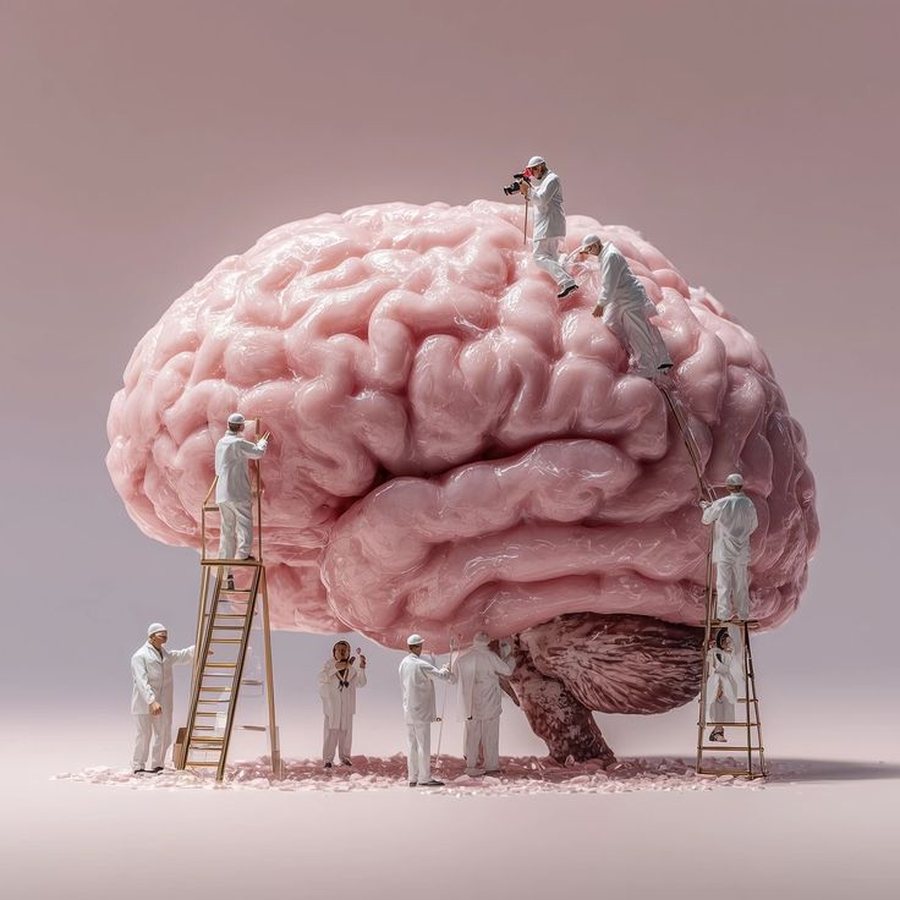
Foto e gjeneruar me AI

Një minutë je zgjuar, tjetrën zhdukesh, por çfarë ndodh realisht në tru kur futesh në anestezi? Një studim i ri po hedh dritë mbi një nga proceset më misterioze në mjekësi.

Anestezia ka pasur gjithmonë diçka pak “magjike”. Edhe pse përdoret çdo ditë në kirurgji dhe konsiderohet e sigurt, shkencëtarët ende nuk e kuptojnë plotësisht se si funksionon në tru.

Një studim i ri, i publikuar në Cell Reports, sjell disa të dhëna interesante. Studiuesit zbuluan se tre lloje të ndryshme anestezie ndikojnë në tru në të njëjtën mënyrë, edhe pse veprojnë në sisteme të ndryshme.

Kjo sugjeron se efekti i anestezisë nuk lidhet vetëm me mënyrën si veprojnë barnat, por me diçka më të gjerë, si ndërprerja e komunikimit mes qelizave nervore në tru.
Misteri i anestezisë: Shkenca po zbulon çfarë ndodh në tru

Çfarë i bën anestezia trurit

Barnat si propofoli, ketamina dhe deksmedetomidina përdoren shpesh në anestezi, por secili prej tyre vepron ndryshe në tru. Megjithatë, rezultati është i njëjtë, humbja e vetëdijes.

Sipas studiuesve, anestezia nuk e “fik” thjesht trurin. Ajo ndryshon mënyrën si funksionon ai.

Kur jemi zgjuar, qelizat nervore komunikojnë vazhdimisht me njëra-tjetrën, duke krijuar modele të rregullta aktiviteti elektrik që mund të maten. Por gjatë gjumit apo anestezisë, këto modele ndryshojnë ndjeshëm.

Në këtë studim, shkencëtarët analizuan aktivitetin e trurit tek majmunët makakë, duke vendosur elektroda direkt në tru për të parë më nga afër këto ndryshime.

Si reagon truri nën anestezi

Kur studiuesit i ekspozuan makakët ndaj tingujve gjatë anestezisë, vunë re një ndryshim të rëndësishëm. Në situatë normale, truri reagon shpejt dhe rikthehet menjëherë në gjendjen e tij. Por nën anestezi, ai bëhet më i paqëndrueshëm dhe ka nevojë për më shumë kohë për t’u rikthyer.

Një krahasim i thjeshtë, truri i zgjuar është si një lodër që rrotullohet shpejt dhe ruan ekuilibrin edhe kur e shtyn pak. Ndërsa truri nën anestezi është si një lodër që rrotullohet ngadalë dhe lëkundet më lehtë.

Kjo paqëndrueshmëri u vu re në të gjitha llojet e anestezisë të studiuara, gjë që i habiti edhe vetë shkencëtarët.
Misteri i anestezisë: Shkenca po zbulon çfarë ndodh në tru

Pse ka rëndësi ky zbulim

Të kuptosh si funksionon truri gjatë anestezisë nuk është vetëm një kuriozitet shkencor, por mund të ndikojë drejtpërdrejt në mënyrën si trajtohen pacientët gjatë operacioneve.

Aktualisht, në disa raste përdoret një metodë që mat aktivitetin e trurit gjatë operacionit, por nuk është ende standard kudo.

Nëse mjekët arrijnë të kuptojnë më mirë “shenjat” që tregon truri gjatë anestezisë, ata mund të përshtasin më saktë dozën për çdo pacient, duke ulur rreziqet dhe efektet anësore.

Madje, studime të tilla mund të ndihmojnë edhe në një pyetje shumë më të madhe, si p.sh. çfarë është në të vërtetë vetëdija? 

REELS

Dakord?

😑

🤓🤓🤓

Si ju duken?

💃

🤣🤣🤣🤣🤣

E kam një ide…

🤓 💅

😍😍😍

Uou!

The mystery of anesthesia: Science is discovering what happens in the brain during surgery

Misteri i anestezisë: Shkenca po zbulon çfarë ndodh në tru
AI-generated photo

One minute you're awake, the next you're gone, but what really happens in the brain when you go under anesthesia? A new study is shedding light on one of the most mysterious processes in medicine.

Anesthesia has always had a little something “magical.” Although it’s used every day in surgery and is considered safe, scientists still don’t fully understand how it works in the brain.

A new study, published in Cell Reports , provides some interesting data. Researchers found that three different types of anesthesia affect the brain in the same way, even though they act on different systems.

This suggests that the effect of anesthesia is not just related to how the drugs work, but to something broader, such as the disruption of communication between nerve cells in the brain.

Misteri i anestezisë: Shkenca po zbulon çfarë ndodh në tru

What anesthesia does to the brain

Drugs like propofol, ketamine, and dexmedetomidine are commonly used in anesthesia, but each of them acts differently on the brain. However, the result is the same: loss of consciousness.

According to researchers, anesthesia doesn't simply "turn off" the brain. It changes the way it functions.

When we are awake, nerve cells are constantly communicating with each other, creating regular patterns of electrical activity that can be measured. But during sleep or anesthesia, these patterns change significantly.

In this study, scientists analyzed brain activity in macaque monkeys, placing electrodes directly on the brain to take a closer look at these changes.

How the brain reacts under anesthesia

When researchers exposed macaques to sounds while under anesthesia, they noticed a significant change. Under normal circumstances, the brain responds quickly and returns to its normal state immediately. But under anesthesia, it becomes more unstable and takes longer to recover.

A simple comparison: an alert brain is like a toy that spins quickly and maintains its balance even when pushed a little. While an anesthetized brain is like a toy that spins slowly and sways more easily.

This instability was observed in all types of anesthesia studied, which surprised even the scientists themselves.

Misteri i anestezisë: Shkenca po zbulon çfarë ndodh në tru

Why is this discovery important?

Understanding how the brain works during anesthesia is not only a scientific curiosity, but could directly impact the way patients are treated during surgery.

Currently, in some cases a method that measures brain activity during surgery is used, but it is not yet standard everywhere.

If doctors can better understand the "signs" that the brain shows during anesthesia, they can more accurately tailor the dose for each patient, reducing risks and side effects.

Such studies can even help answer a much larger question, such as what exactly is consciousness?