
Mama

"Pse i them vajzës sime që është e bukur gjatë gjithë kohës, pavarësisht ç'thonë ekspertët e prindërimit"

"Pse i them vajzës sime që është e bukur gjatë
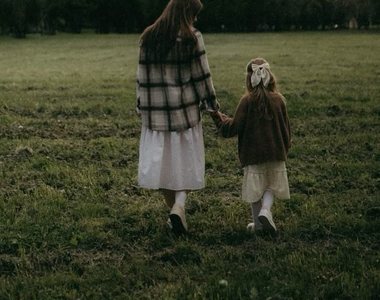
Foto: Courtesy of Shannon Bradley-Colleary

Kohët e fundit është bërë shumë popullore ideja që prindërit duhet t’i komplimentojnë fëmijët për aftësitë dhe jo për pamjen. Sipas kësaj teorie, t’u thuash vajzave “sa të bukura janë” mund t’i bëjë që të fokusohen tepër te dukja dhe më vonë të kenë pasiguri me trupin apo vetëvlerësimin.

Shannon Bradley-Colleary, shkrimtare, aktore dhe blogere amerikane që shkruan shpesh për marrëdhëniet, prindërimin, jetën familjare dhe vetëvlerësimin nuk bie dakord. Ajo thotë se nuk beson te qasja “ose kështu, ose hiç fare”. Sipas saj, mund t’i thuash një vajze që është e zgjuar, kreative, e fortë dhe e talentuar pa hequr dorë nga komplimenti “je shumë e bukur”.

Shannon tregon se vajza e saj e madhe është tipi që preferon të “humbasë” mes turmës. I pëlqen uniforma e shkollës sepse nuk bie në sy. I mban flokët gërsheta që të mos marrë shumë vëmendje. Nuk i interesojnë fare makijazhi apo bizhuteritë.

Megjithatë, sa herë që e merr nga shkolla dhe e sheh ulur në sediljen pranë saj, nuk reziston dot pa i thënë:

“Je shumë e bukur.”

Vajza mundohet të sillet sikur bezdiset, por buzëqeshja e tradhton. Dhe komplimentet nuk mbarojnë aty. Ajo lavdërohet edhe për durimin, humorin, kreativitetin dhe mënyrën si sillet me fëmijët e vegjël, të cilët e adhurojnë menjëherë.

Ndërsa vajza e dytë e saj, sipas Shannon, “dukej sikur kishte lindur me manikyr në duar”. I pëlqen moda, grimi, të jetë në qendër të vëmendjes dhe do që njerëzit ta vënë re sapo hyn në një dhomë.

Edhe asaj autorja i thotë shpesh që është e bukur. Sepse për të, është. Por njëkohësisht e komplimenton edhe për imagjinatën, zgjuarsinë, guximin në futboll dhe mënyrën si sillet me shoqet.

Pra ideja është kjo: pse duhet të zgjedhim vetëm njërën?

Sepse bota do t’i kritikojë mjaftueshëm vetë

Shannon kujton komentet që ka dëgjuar kur ishte adoleshente dhe që i kanë ndikuar shumë te vetëbesimi:

“Do ishe e bukur po të mos kishe ato flokë.”

“Flokët e tua duken tmerr.”

“Këmbët e tua duken si fije.”

“Ke celulit. Sa e shpifur.”

“Pse vesh reçipeta kur s’ke asgjë?”

Pra, ku qëndron problemi t’i bësh fëmijët të ndihen mirë me veten?

Autorja thotë se nuk e kupton pse komplimentet për pamjen trajtohen sikur janë diçka e gabuar, kur bota jashtë është kaq e ashpër me vajzat dhe gratë.

Sipas saj, nuk ka asgjë të keqe t’i thuash vajzës:

je e zgjuar,

je e fortë,

je kreative,

dhe po, je edhe e bukur.

Sepse ndonjëherë, një fjali e tillë nga prindi mund të jetë mburoja që i duhet më vonë përballë gjithë komenteve të botës.


REELS

🥺💞

Si do dalim këtë herë? #eurovision2026 @aliskallaci suksese 🥳

Nuk e lëshon për qamet 🤓

Artistja Elvana Gjata shenon nje tjeter sukses me koncertin e saj ne arenen me te madhe te mbyllur ne Itali per evente, Unipol ne Milano. Para nje salle te mbushur plot me rreth 16,000 vete, artistja riktheu show-n e saj Dekada, duke shtuar edhe kenge te vitit te fundit si “Sheqer” apo duetin “Moment” me Stanaj. E veshur nga Valdrin Sahiti, Gjata ndezi skenen me hitet e mbi 15-viteve karriere dhe gjate gjithe kohes u shoqerua nga publiku teper energjik i shqiptareve te ardhur jo vetem nga Italia, por edhe nga zona te tjera te Europes.

Burra, mblidhni mendjen 🤓

All rights reserved @fermavip.al @vizionplustv

Funksionon gjithmonë! 😎

😂😂😂

Give this man a beer 🍻 All rights reserved to: @rtvklan

💃

"Why I tell my daughter she's beautiful all the time, despite what parenting experts say"

"Pse i them vajzës sime që është e bukur gjatë
Photo: Courtesy of Shannon Bradley-Colleary

The idea that parents should compliment their children on their abilities, not their looks, has become very popular recently. According to this theory, telling girls “how beautiful they are” can lead them to focus too much on their looks and later develop body insecurities or self-esteem issues.

Shannon Bradley-Colleary, an American writer, actress, and blogger who writes frequently about relationships, parenting, family life, and self-esteem, disagrees. She says she doesn't believe in an "all or nothing" approach. According to her, you can tell a girl that she's smart, creative, strong, and talented without giving up the compliment "you're so beautiful."

Shannon says her oldest daughter is the type who prefers to "get lost" in the crowd. She likes her school uniform because it doesn't stand out. She keeps her hair in braids so she doesn't draw too much attention. She doesn't care about makeup or jewelry at all.

However, every time she picks him up from school and sees him sitting in the seat next to her, she can't resist saying:

“You are very beautiful.”

The girl tries to act as if she's annoyed, but her smile betrays her. And the compliments don't end there. She is also praised for her patience, humor, creativity, and the way she treats young children, who immediately adore her.

While her second daughter, according to Shannon, “looked like she was born with manicures on her hands.” She loves fashion, makeup, being the center of attention, and wants people to notice her as soon as she walks into a room.

The author often tells her that she is beautiful. Because to her, she is. But at the same time, she also compliments her on her imagination, intelligence, courage in football, and the way she behaves with her friends.

So the idea is this: why should we choose just one?

Because the world will criticize them enough on its own.

Shannon recalls the comments she heard when she was a teenager that had a huge impact on her self-confidence:

"You would be beautiful if you didn't have that hair."

“Your hair looks terrible.”

"Your legs look like thread."

"You have cellulite. How slanderous."

"Why are you wearing bras when you have nothing?"

So where does the problem lie in making children feel good about themselves?

The author says she doesn't understand why compliments about appearance are treated as if they're something wrong, when the world outside is so harsh on girls and women.

According to her, there's nothing wrong with telling a girl:

You are smart,

You are strong,

you are creative,

and yes, you are beautiful too.

Because sometimes, a sentence like that from a parent can be the shield they need later in the face of all the comments from the world.